






.jpg)

.jpg)
.jpeg)











ANVI, a social impact neo-bank, disrupts India’s informal credit market with AI engines that will disburse affordable loans to the nation’s 400 million blue collar workers
New Delhi [India], April 9: A majority of nearly 400 million Indian blue collar workers who support roughly 1.1 billion people are employed by micro, small and medium enterprises. These businesses are predominantly unorganised and have traceability concerns from tax and labour authorities. Therefore, they do not want to disburse salaries into employees’ bank accounts. […]


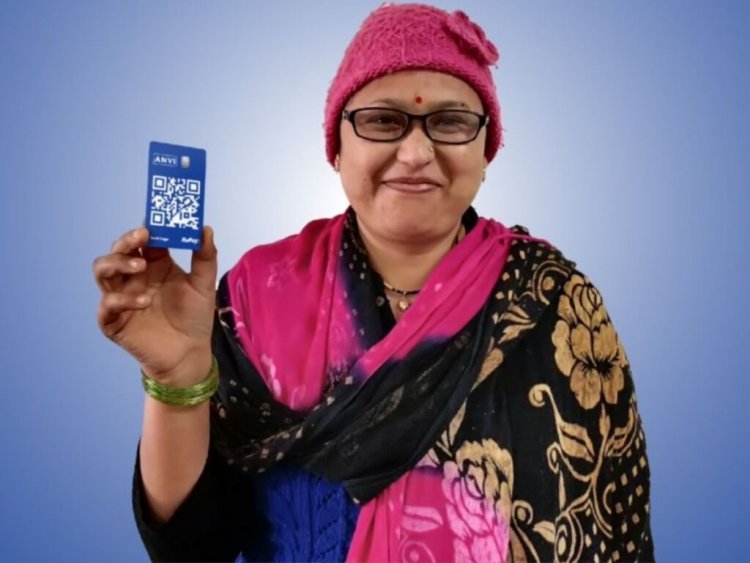


New Delhi [India], April 9: A majority of nearly 400 million Indian blue collar workers who support roughly 1.1 billion people are employed by micro, small and medium enterprises. These businesses are predominantly unorganised and have traceability concerns from tax and labour authorities. Therefore, they do not want to disburse salaries into employees’ bank accounts. Despite the government giving a big push to the opening of bank accounts under Pradhan Mantri Jan Dhan Yojana (PMJDY) for this section of the population, these bank accounts have largely remained at zero or low balance. The activity level of these accounts has shown improvement over the last few years, however, this is primarily due to the fact that they have been used to receive direct benefit transfers (DBTs) from the government.
The PMJDY scheme has certainly introduced card literacy in the remotest corners of the country. However, on the expense side, blue collar workers depend on cash to make essential purchases from Kirana stores. These stores do not want to install point of sale devices to accept card payments due to possible incidence of Merchant Discount Rate (MDR), which eats up the Kirana’s margins. The new age smartphone led solutions have not been able to gain currency from Tier 3 to Tier 7 towns and villages due to the existing digital divide.
In the absence of income and expense data the banks do not want to lend money to a majority of the Pradhan Mantri Jan Dhan Yojana (PMJDY) beneficiary population. This is the primary reason that although 80% of India’s population now has a bank account, most remain financially excluded.