A five-member startup in Bengaluru and a 200-person manufacturing unit in Coimbatore may both call themselves SMEs. But their healthcare needs? Completely different.
That’s the challenge Indian business owners are facing in 2026. Medical inflation continues to climb. Employees expect better health benefits than ever before. At the same time, founders are under pressure to protect working capital and avoid fixed overheads that strain cash flow.
Traditional insurance models rarely fit this reality. One-size-fits-all policies leave younger teams underutilising benefits while senior employees struggle with limited coverage. For growing companies, customisation is no longer optional. It’s operationally necessary.
Today’s workforce is layered. Startups employ remote developers, gig workers, experienced managers and fresh graduates, under the same roof. Their expectations from healthcare are vastly different.
Get Featured Today!
Get featured your news, press release, success story and more on The Bizz Stories. You can feature on Article, Social Media Post, Biography and more.
A 24-year-old software engineer may value OPD consultations and mental wellness support. A mid-career employee with children is likely prioritising hospitalisation coverage, maternity benefits, and family inclusion.
Yet many businesses still purchase rigid policies designed around generic industry averages.
Smart founders are moving toward modular healthcare structures instead. They are customising benefits, based on workforce demographics, job risk profiles, and hiring patterns.
For example, a logistics company with field staff may increase accident and emergency coverage. Meanwhile, a SaaS startup may focus more heavily on preventive care, teleconsultations and wellness programs.
The future of group health insurance in India lies in adaptability, not standardisation.
Why Monthly Models Matter for Startup Cash Flow
Here’s the part many founders don’t discuss openly: annual insurance premiums can quietly damage financial agility.
For bootstrapped companies, paying a large lump sum upfront often means sacrificing marketing budgets, delaying hiring or freezing expansion plans during critical growth periods.
Monthly healthcare memberships are changing that equation.
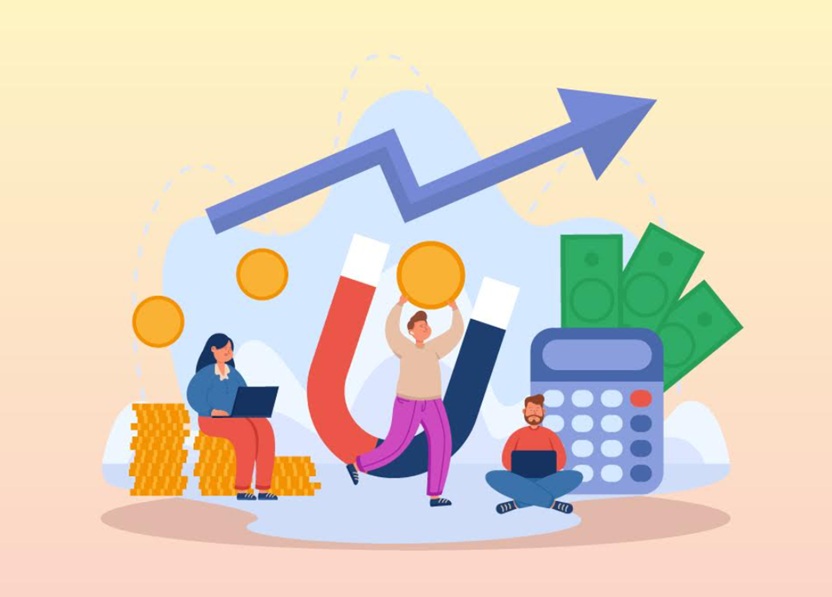
Instead of locking working capital into yearly commitments, businesses can spread costs predictably across the year. This pay-as-you-go approach gives startups breathing room, especially during uncertain market cycles.
It also aligns better with how modern companies operate. Teams scale up. Employees leave. New hires join mid-cycle. Fixed annual structures struggle to keep pace with these changes.
The Role of Preventive and Everyday Care
Healthcare benefits are no longer judged only during emergencies.
Employees increasingly evaluate plans based on everyday usability. Can they access doctors quickly? Are diagnostics affordable? Does the policy support preventive care instead of reacting only after hospitalisation?
This shift is especially visible among younger workforces.
Businesses that include OPD benefits, mental wellness access, health check-ups, and digital consultations often see stronger employee engagement with healthcare programs overall. It creates a culture where care becomes proactive rather than crisis-driven.
There’s also a retention angle here.
In competitive hiring markets, candidates compare benefits carefully. A thoughtfully designed group health insurance plan in India can become a meaningful differentiator for SMEs competing against larger enterprises for talent.
Pro-tip for founders: before selecting a policy, map employee demographics first. Age brackets, marital status, remote work distribution, and workforce turnover patterns tell you far more than generic policy brochures ever will.
The companies building resilient teams over the next decade will not treat employee healthcare as a compliance checkbox. They will see it as infrastructure. Quietly powerful infrastructure.
India’s workforce is becoming younger, more distributed, and more health-conscious. Businesses that adapt their healthcare strategies accordingly will build stronger teams, healthier cultures, and more sustainable growth in the years ahead.
rss_feed
Disclaimer
This is an unedited and auto-generated story from Syndicated News feed, The Bizz Stories Staff may not have modified or edited the content body.
favorite
Follow us for the latest updates:
PNN Verified Media or Organization • 25 Apr, 2026Agency
(This is an unedited and auto-generated story from Syndicated News feed, TBS Staff may not have modified or edited the content body)






.jpg)
.jpg)
.jpeg)